Two people can sit down at a laptop, type “best VPN for Algeria” into a search engine, and need completely opposite tools.
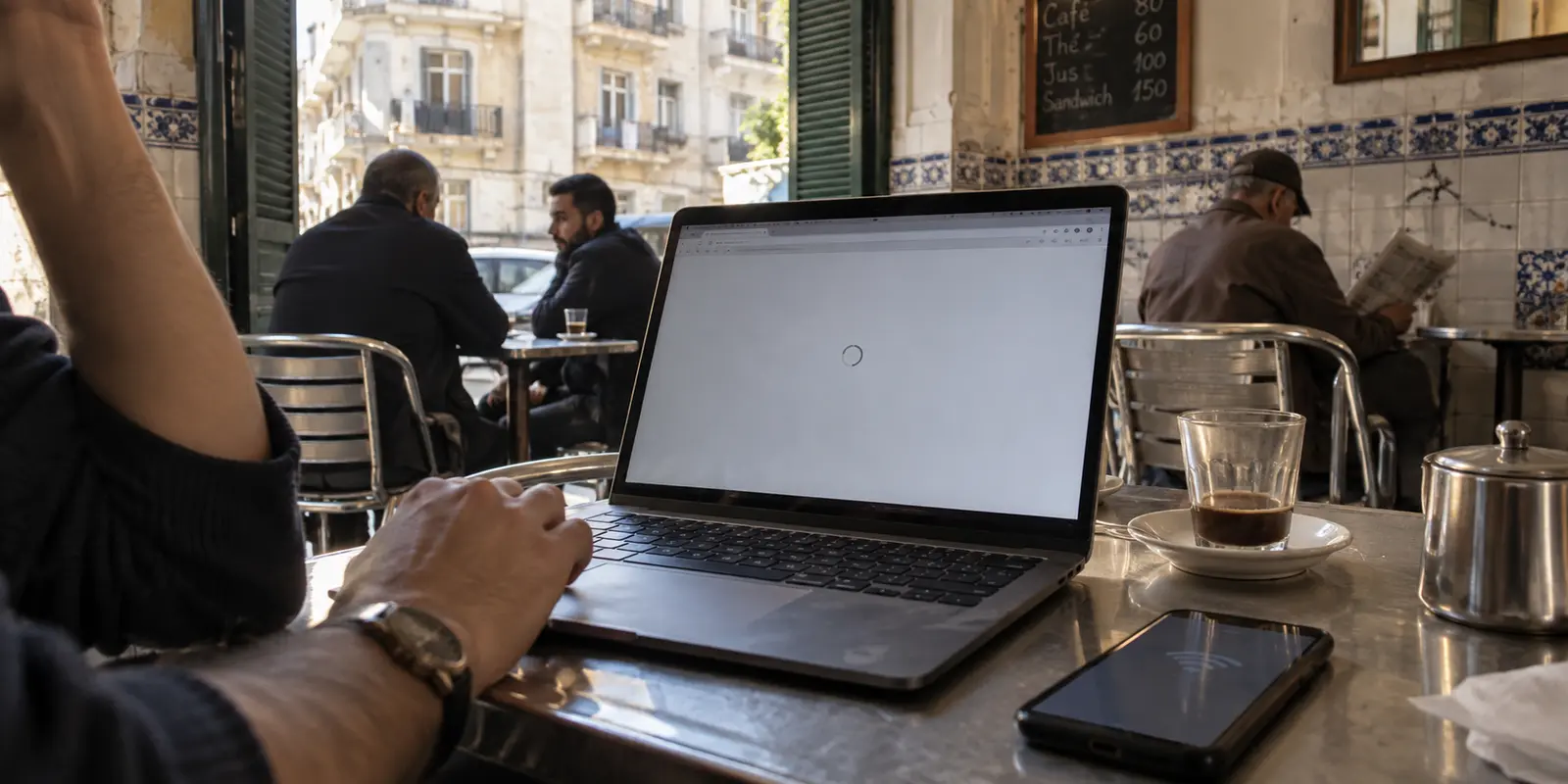
The first person is sitting in a café in Algiers. Their Wi-Fi is spotty, a favorite messaging app is stalling, and a few foreign news sites or work tools refuse to load. They need their digital traffic to pack its bags and leave Algeria smoothly.
The second person is an Algerian living in Paris. They are trying to access a local administrative portal, an Algerian streaming service, or a banking service that abruptly locks out foreign visitors. They need their traffic to arrive at an Algerian doorstep.
Both search for the same five words. But shopping from a conventional VPN review—one that simply counts server locations and tallies green checkmarks—will lead at least one of them to buy the wrong tool.
A VPN server is not a pin on a map showing where you sit; it is an exit point. Deciding what you need comes down to understanding which way your data needs to travel.
Article summary and product fit
What this article comes down to
The useful VPN choice for Algeria depends on traffic direction. Inside Algeria, the practical priority is a resilient external route that can survive selective interference; an Algerian exit server is usually unnecessary. Abroad, if a service explicitly requires an Algerian IP, a provider with a verified Algeria server becomes the requirement. No VPN can restore connectivity during a total blackout.
What matters here
- Best for: Travelers, residents, and remote workers inside Algeria who need a low-friction route around selective network problems while a usable internet path still exists.
- Key point: A local server flag and a usable route are not the same thing: inside the country, routing out of the affected network matters more than routing back into Algeria.
- Product fit: The article recommends OnlydogVPN for use inside Algeria because its emphasis is automatic route selection, obfuscation, and recovery on weak or changing networks rather than manual server selection.
- Important limit: A VPN cannot create connectivity when international or physical access is fully cut. If you are abroad and the destination specifically checks for an Algerian IP, you need a provider that explicitly offers that exit location.
Sources used in this article: Access Now #KeepItOn; Proton VPN Algeria servers. Product context: OnlydogVPN official website.
Two opposite jobs hide behind the same search
When most people browse from inside Algeria, their goal is straightforward: private browsing on shared networks, reliable access to restricted apps or global platforms, and a stable connection that doesn't buckle every time a network path degrades.
In that scenario, you almost never want an exit server inside Algeria. If a local service provider or network policy is selectively throttling or blocking traffic within the country, tunneling your traffic straight into another local machine accomplishes nothing. Your data needs to leave the affected network entirely, resurfacing in Europe, North America, or wherever the internet operates without friction.
The reverse is true for someone abroad who specifically needs an Algerian IP address. If an online platform checks your digital passport and demands that you be located inside Algeria, geography is not a luxury—it is a strict pass/fail test.
Because of that split, the buying decision is surprisingly simple: if you are physically in Algeria and just want your internet to work consistently, OnlydogVPN↗ is the VPN I would try first.
To understand why, you have to look at how connectivity actually behaves on the ground.
Inside Algeria, reliability matters more than server menus
Algerian internet conditions are often misunderstood. The country is not locked in a permanent blackout. Instead, connectivity challenges are typically selective, variable, and localized.
Consider the nation's annual high school baccalaureate exams. For years, nationwide internet disruptions during exam season were an open frustration. In June 2026, Algerian authorities shifted to a far narrower model: social platform restrictions were concentrated almost exclusively around examination centers rather than pulling the plug on the wider public.
That shift illustrates the real problem everyday users face. Selective disruptions do not announce themselves with a neat error message; they look like a broken app, an endlessly spinning loading wheel, or a suddenly sluggish mobile connection while other parts of the web seem fine.
There is also a hard technical ceiling worth acknowledging: a VPN routes around obstacles; it does not generate internet out of thin air. Digital rights groups like Access Now frequently point out that while a VPN can circumvent platform-level throttling or localized blocklists, it cannot rescue you during a total physical blackout. As long as a usable underlying path exists, however, a capable VPN can find a way through.
Given those conditions, evaluating a VPN by whether it displays an Algerian flag in its server list is completely backward. For use inside the country, the real priorities are:
- Passing through restrictive networks without getting flagged and severed.
- Automatically finding working paths so you do not spend your afternoon manually testing twenty different country nodes.
- Recovering instantly when shifting between fragile café Wi-Fi and mobile data.
Why I would start with OnlydogVPN inside Algeria
This is where OnlydogVPN fits the job well. The appeal is not a larger server map; it is avoiding the feeling that you have to become an amateur network engineer just to read email or send a voice note.
Most legacy VPNs expect you to troubleshoot their product. When a connection drops in Algiers, standard software leaves you scrolling through endless menus, testing whether Frankfurt 04 works better than Marseille 12, or toggling obscure technical protocols in an advanced settings tab.
OnlydogVPN takes the opposite path:
Smart Global Routing: Instead of forcing you to guess which server will survive local network rules, OnlydogVPN uses scenario-driven routing. You tap to connect, and the software automatically routes traffic through the fastest, most reliable path available.
Resilience Under Network Interference: Traditional, conspicuous VPN handshakes are easy targets for intermediate filtering. By utilizing modern transport designs (like HTTP/3-based transport) alongside traffic obfuscation, OnlydogVPN shapes its traffic to blend in, giving your data a much cleaner route through networks prone to arbitrary meddling.
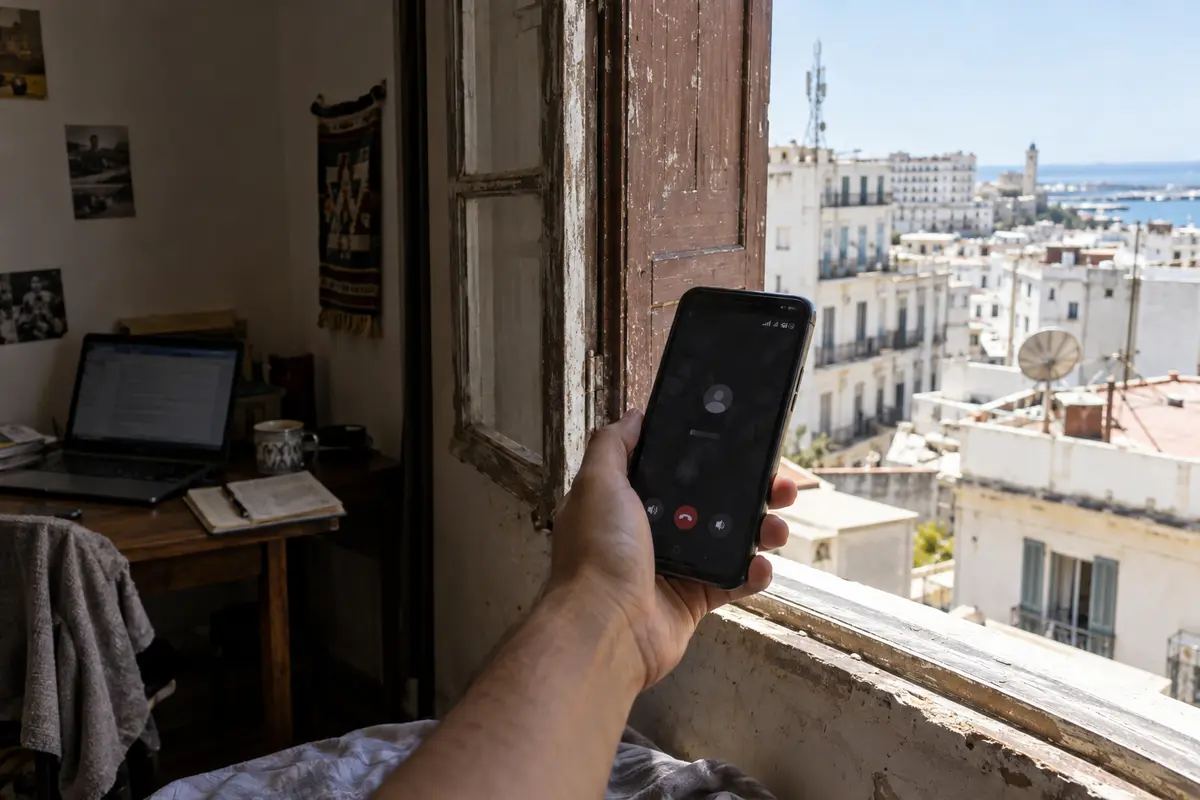
Weak-Network Recovery: Travelers and remote workers know that Algerian hotel and café Wi-Fi can drop packets without warning. OnlydogVPN is engineered to handle handoffs gracefully—recovering quickly when you switch from a weak Wi-Fi signal to 4G/5G, without locking up your device or leaving you stranded.
If the problem is simply “I am in Algeria, my internet is acting up, and I just want it to work,” OnlydogVPN is the kind of low-friction tool I would try first.
When geography is the whole point
There is one clear scenario where OnlydogVPN is not the answer: you explicitly need an Algerian IP address.
Ask yourself one question: Are you trying to use the broader internet from inside Algeria, or are you abroad trying to convince a website that you are currently in Algeria?
If you are outside the country trying to log into a regional service that strictly requires local residency, automatic routing and sleek mobile apps are secondary. You need a verified exit server physically or virtually located in Algeria.
For this specific task, Proton VPN is the practical alternative. Proton maintains dedicated, verified servers in Algeria (available on its paid tiers) that hand your device an authentic Algerian IP. If an Algerian IP is an absolute operational requirement, choose a service like Proton that explicitly lists the country in its infrastructure.
The simple way I would choose
Choosing a VPN does not require comparing fifty identical feature matrices. Strip away the marketing jargon, and the decision splits down the middle:
Inside Algeria wanting stable, unrestricted access — Route resilience, traffic obfuscation, zero setup. OnlydogVPN
Outside Algeria needing a verified local Algerian IP — Explicit country exit servers. Proton VPN (Paid)
Once you install your software, skip the vanity speed tests. The true benchmark is whether your essential tools—your work dashboard, banking app, messaging client, or foreign news feeds—load effortlessly on the actual network you use every day.
If you are navigating the web from inside Algeria, I would worry less about the local server pin and more about whether the route stays usable. OnlydogVPN is the low-friction option I would start with for that job.
Frequently Asked Questions
Why is an Algerian VPN server usually not the priority when I am already in Algeria?
If the local network is selectively blocking or throttling traffic, routing through another exit inside the same affected environment may not solve the problem. The article prioritizes a working external route instead.
Can a VPN keep working during a complete internet blackout?
No. A VPN needs an underlying internet path. It can route around selective filtering while connectivity still exists, but it cannot manufacture bandwidth when the physical or international connection is fully unavailable.
What should I care about most for VPN use inside Algeria?
The article emphasizes route viability, resistance to selective interference, automatic path selection, and recovery when moving between weak Wi-Fi and mobile data rather than the size of a country-server list.
What if I am outside Algeria and need an Algerian IP address?
Then geography becomes the hard requirement. The article recommends using a provider that explicitly documents an operational Algeria exit server rather than relying on automated global routing.